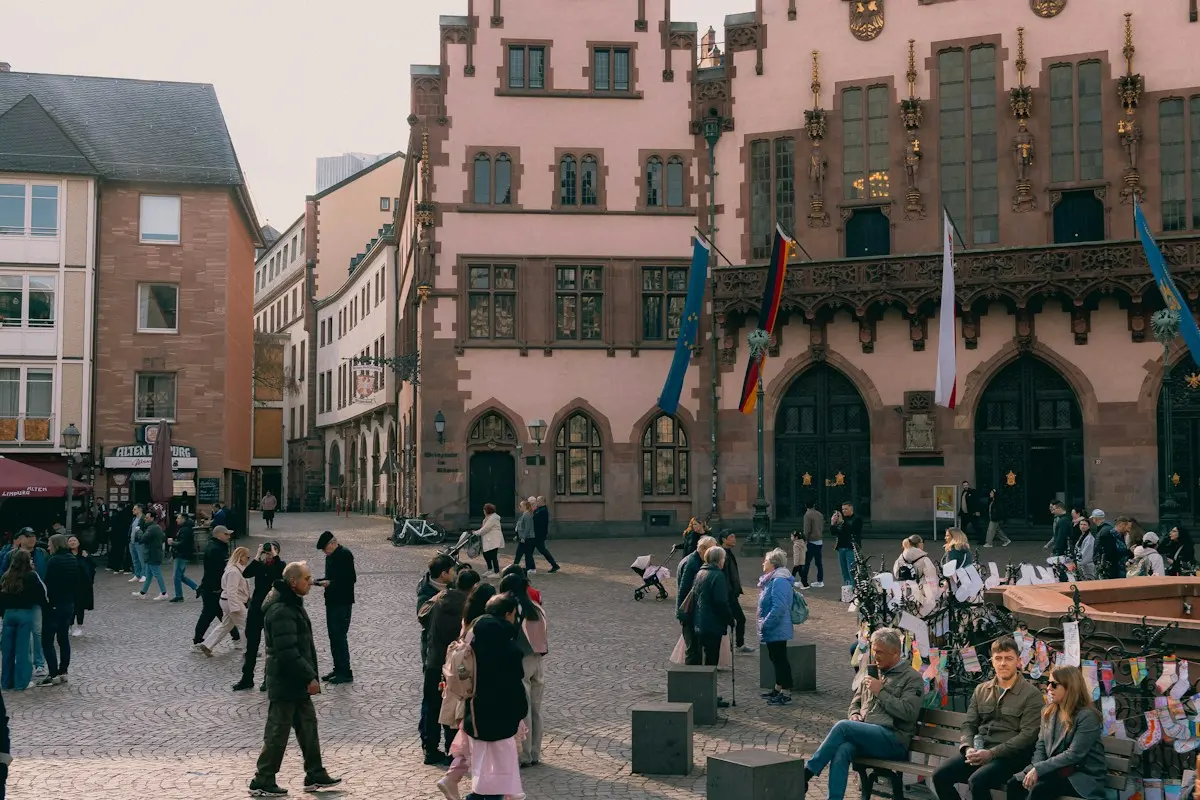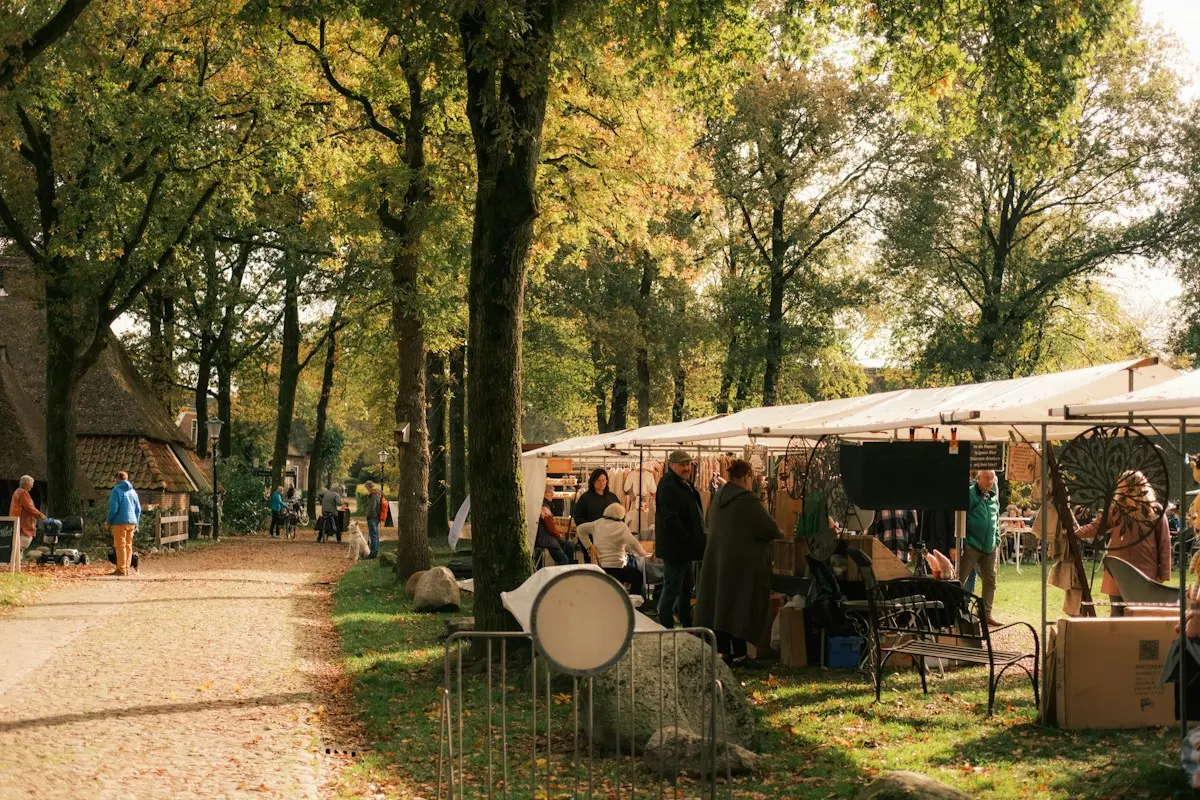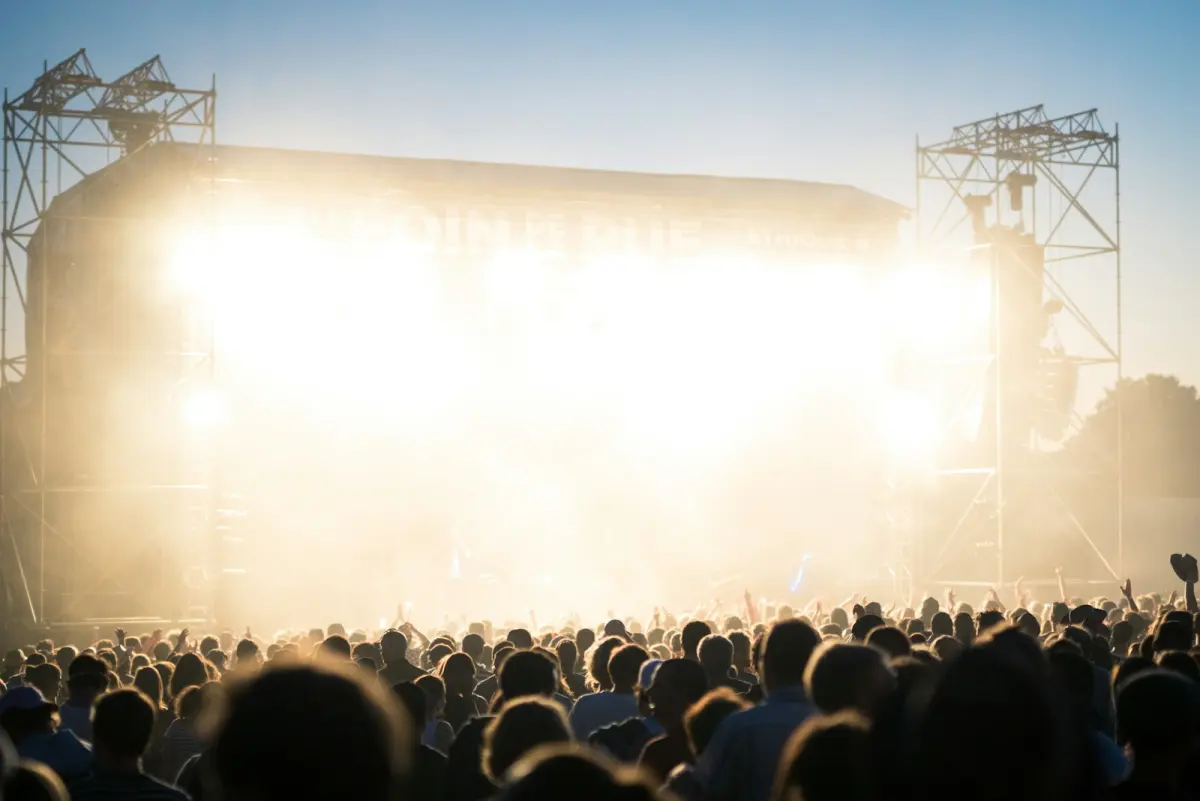
Anyone who followed ticket sales for the big Dutch festivals this spring saw something unusual. Where Lowlands sold 65,000 tickets in 23 minutes last year, by early June 2026 — almost four months into the sale — tickets were still available. Same story at Pinkpop, Down the Rabbit Hole, Zwarte Cross and Best Kept Secret: not sold out, something that would have been unthinkable a few years ago. Only smaller names like Into the Woods closed quickly, as Dutch music outlet JFK reported.
This isn't a one-off. It's a shift in buying behaviour that touches every organiser — not just the festivals with a name in bold letters, but also parades, theatre productions, sports events and club nights. This article covers what's happening, and above all what you can do about it as an organiser.
A note for international readers: the examples below are Dutch, but the pattern — audiences waiting to buy, price sensitivity and reliance on resale apps — is playing out across European event markets. The tactics translate directly.
What's changing in buying behaviour
Researcher Martijn Mulder and industry body VNPF pointed in an interview with VRT NWS to a few connected causes. It helps to look at them separately, because each calls for a different answer.
Price has become a barrier. A Lowlands combo ticket cost €175 ten years ago; now it's €365. For many visitors there's a psychological ceiling around €350, and on top of that come travel, accommodation and drinks. As a result people choose more deliberately: one festival this summer instead of two or three.
Visitors wait on purpose. "There are lots of apps to resell tickets; people wait two to three weeks before deciding," said Arne Dee of the VNPF. The questions they ask themselves: are my friends going, do I have money left, and — very Dutch — what will the weather do? Festivals like Best Kept Secret now post weather forecasts on social media to remove that hesitation.
The exceptional post-pandemic surge is over. The organiser of Zwarte Cross called that period "otherworldly". What you see now isn't a crisis but a return to normal, considered buying behaviour. The problem is that many budgets and cash-flow plans still assume that otherworldly pace.
The downside is real. Mysteryland didn't go ahead for 2026, and the forty-year-old free Parkpop in The Hague ended. Mulder warns that persistent last-minute buying leaves mainly the big players standing. That's exactly why it pays to hold your sales strategy up to the light.
Why late buying is a problem (and not just a feeling)
Selling later isn't only nerve-wracking; it costs money and flexibility:
- Your cash flow shifts backwards. Artist fees, venue hire and production usually have to be paid up front. If most tickets only come in during the final weeks, you finance the event out of your own pocket for longer.
- You're steering in the dark. As long as sales lag, you don't know whether you're on track or need to intervene with extra promotion. Decisions about a second stage, more bar capacity or a bigger line-up become guesswork.
- You lose momentum. Early buyers are your ambassadors. Someone who buys in March talks about it with friends for five months. Shift that to June and you lose months of free word-of-mouth.
- You become vulnerable to outside shocks. One bad weather forecast in the final week can sink a sale you'd been putting off until then.
The reflex is to bet everything on the last few weeks. The better approach is to acknowledge the delay and put structure against it.
How to keep a grip on your sales
Build your sale in phases
A phased pricing structure — early bird, regular, late bird — rewards people who decide early and gently penalises delay. Early-bird discounts usually sit somewhere between 20 and 30 percent in practice: enough to make deciding now worth it, not so much that your standard price feels like a penalty. How to make those windows flip over automatically is covered in early bird price periods. Sell 30 to 40 percent of your tickets early and the rest of the campaign gets considerably easier — and your cash flow stays healthy.
Important: communicate the phases honestly. "40 early-bird tickets left, then the price goes up" only works if it's true. An artificial sense of scarcity that later falls flat costs you trust — exactly what you can't afford with a cautious audience. With multiple ticket types and capacity limits you can set this up cleanly.
Give your loyal audience priority
A closed presale for returning visitors, members or newsletter subscribers creates genuine urgency without tricks. This group already knows you and decides faster. Price that phase 15 to 20 percent below the early bird and you've locked in a hard core before the broad campaign begins. For clubs and associations this works especially well — combine it if you like with a member discount where non-members pay full price.
Use a waitlist — even when you're not sold out
A waitlist isn't only for sold-out shows. Open one on your most expensive or most popular ticket type and you collect the e-mail addresses of serious prospects you can approach the moment things move. It also gives you an early warning: if the waitlist fills up while sales stall, your price or your phasing isn't right.
Don't let the final weeks turn into chaos
Because a large part of your audience now simply decides late, your peak has to run smoothly. A virtual waiting room absorbs a sudden rush without your checkout falling over, and keeps the sale fair if a run develops in the closing week — after a favourable forecast or a newly announced act, for instance.
Give people a reason to choose now
Delay feeds on uncertainty. Remove it:
- Be transparent about weather and facilities. Covered areas, rain options, accessibility — it sounds small, but it takes away a concrete point of doubt.
- Show social proof honestly. "Over 60% sold" or "most tickets go in groups of friends" invites people to decide with their group.
- Beat the resale gamble. Part of your audience is waiting for a cheaper ticket on a resale app. Offer your own safe, controlled resale with a price cap, and you keep that transaction inside your own environment instead of losing your audience to touts or fake tickets.
Don't budget for a single scenario
Plan your budget on a more realistic, later sales curve. Don't assume "sold out in March"; work out what happens if 60 percent only arrives in the final six weeks. Make sure your fixed costs can carry that, and arrange flexible terms with suppliers where you can. Knowing exactly what a platform deducts helps you calculate sharply — more on that in what a plan really costs.
Smaller events have an advantage here
The delay mainly hits the expensive multi-day festivals, where visitors have to choose between an event and a holiday. A local parade, a theatre show, a club tournament or a company night sits in a completely different calculation: lower price, shorter trip, stronger bond with the organiser. That's exactly where it pays to activate your loyal audience early and keep the barrier low. How to do that — even with free entry — is covered in why your small event deserves tickets.
The common thread: the audience hasn't gone anywhere, it just decides later and more deliberately. As an organiser you can't reverse that, but you can set up your sales, your pricing and your cash flow around it. Then a later sales curve isn't a threat — it's something you simply planned for.
Want to build your ticket sales in phases, run a waitlist and keep control of your revenue? Register your organisation with MijnEvent — you pay a flat, fair fee per ticket and the proceeds land directly in your own bank account. Or first see which plan fits your event.