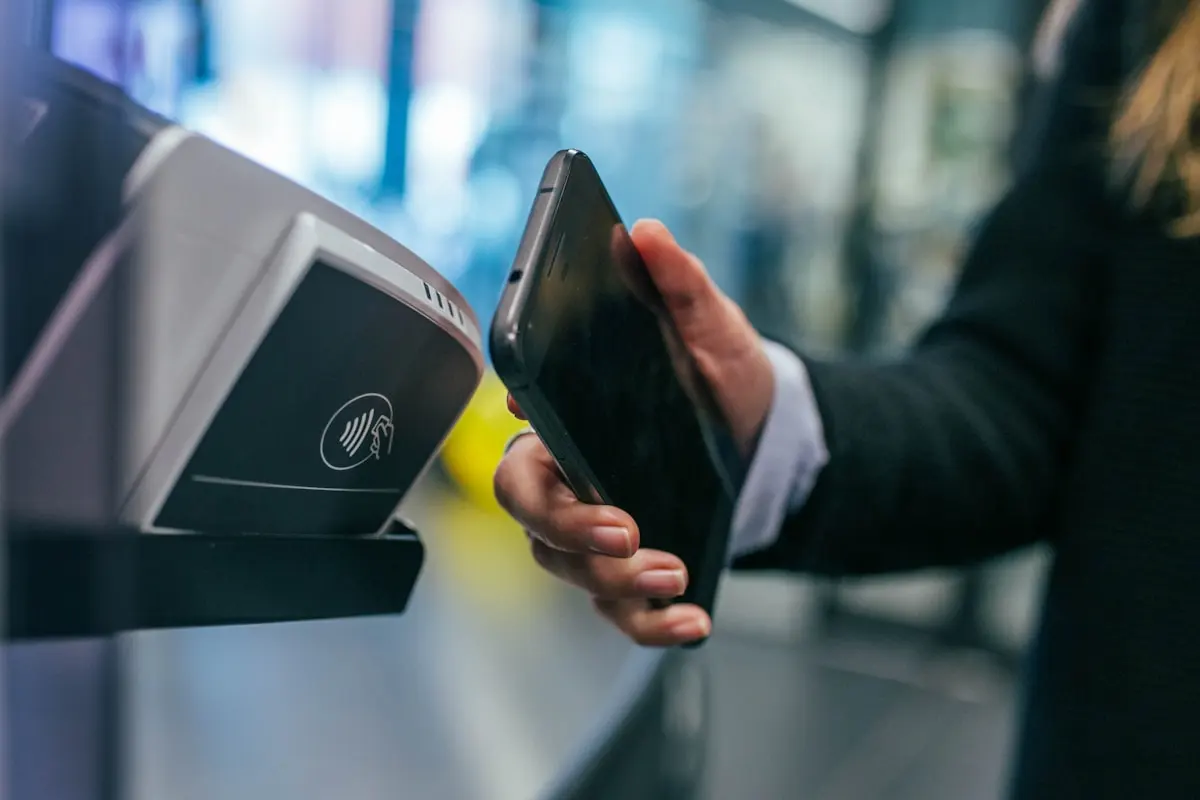
On 16 July the Dutch Payments Association announced that the next phase of the iDEAL to Wero migration begins in October. From that point every Dutch bank is connected to Wero, and payment processing moves step by step onto the new European infrastructure.
Updated on 2 November 2026: since 26 October 2026 customers of eleven Dutch banks can pay online with Wero; webshops are switching over in phases, at the pace of their payment service provider.
A word of context for readers outside the Netherlands: iDEAL is the Dutch bank-transfer method that dominates online payments here. Buyers are redirected to their own banking app, approve the payment and come straight back — no card details, no chargebacks. For most Dutch events it accounts for the large majority of ticket revenue. Wero is its successor, built by the European Payments Initiative, a joint venture of European banks.
So this is news with a double edge. Reworking the plumbing under the bulk of your revenue, mid-festival-season, does not sound relaxing. On the other hand, this is exactly the kind of change an organiser should not notice at all.
Both are true. Here is what is actually happening, what your visitors will see, and the three things that genuinely land on your desk.
What is happening
iDEAL is being absorbed into Wero. Behind the scenes that means relocating the entire processing chain; at the front it is mostly a change of name.
The steps, according to the Dutch Payments Association's knowledge base:
- Late January 2026 — the brand name became iDEAL | Wero. Since then you see that combination in webshops, banking apps and on payment pages. Purely cosmetic: underneath, everything still ran on iDEAL.
- October 2026 — every Dutch bank is connected to Wero. Payments start moving to Wero infrastructure in a phased, controlled way.
- 26 October 2026 — Wero launched online payments in the Netherlands. Customers of ABN AMRO, ASN Bank, bunq, BUUT, Finom, ING, Knab, Nationale-Nederlanden, Rabobank, Triodos and Van Lanschot Kempen can pay online with Wero, and webshops can switch over. Each does so at the pace of its own payment service provider; consumers do not need to do anything. Subscriptions and pay-on-delivery follow in the second quarter of 2027, and Wero gets built-in purchase protection from January 2028.
- 31 December 2027 at the latest — every iDEAL merchant has switched over. The iDEAL name is then retired in stages.
The association is matter-of-fact about it: consumers will not notice anything, but for banks, payment service providers and online retailers "a lot will change", sometimes requiring significant system adjustments. That work sits precisely there — with the parties building the payment chain, not with the organiser selling tickets.
What your visitors see
Nothing new. They pick the same button in your checkout, get sent to their banking app, approve the payment and land back on your confirmation page. Same route, same speed, same bank. When the button in your checkout actually switches to Wero is up to your payment service provider — at MijnEvent that is Mollie. Until then your visitors simply pay via iDEAL | Wero, and afterwards the route through their own banking app stays the same.
The only visible difference is the name next to the logo, and that has been there since January. That is the entire point of the interim step: getting people used to the word Wero while iDEAL is still beside it.
For completeness: cross-border payments are being added during the migration. For a purely Dutch audience that changes little, but if you run an event with a lot of German, Belgian or French visitors it is a gain in the long run — those buyers currently reach for a credit card, which is the most expensive route in your checkout.
What you do handle yourself
Three things, half an hour in total.
1. Check your own materials for old logos
This is the only real task. Your payment service provider takes care of the logo on the payment page, but somewhere on your own site, in your newsletter footer, on a poster, in a PDF programme or in an old confirmation email, the bare iDEAL logo is probably still sitting there. Replace it with iDEAL | Wero.
Nobody is going to fine you for it. But a visitor wondering whether a ticket page is genuine — which happens more often than you would think, see Ticket fraud: protecting your audience — is exactly the person who notices this kind of detail. An outdated payment logo does not make a page fake, but it does make it look older than it is.
2. Review your payment methods in your Mollie dashboard
With MijnEvent, payments run through your own Mollie account, and you decide there which methods you offer — exactly as described in Supported payment methods. Check that iDEAL | Wero is switched on, that the rest of your methods still suit your audience, and that your details and bank account are current.
No connection yet? This is a good moment: Connect your Mollie account walks through it.
3. Do not schedule a major on-sale on a migration day
This is caution, not alarm. The move is phased and controlled, which is precisely why banks and payment service providers announce their steps well in advance. If you have a release where a thousand tickets need to clear in five minutes, check whether that date collides with announced maintenance at your bank or PSP — and move it a day if it does.
Want to be sure your checkout does what you expect? Put your event in demo mode for a moment and buy yourself a ticket. That is good practice before any big on-sale anyway.
What may change eventually: the price
Here is the one change that touches your budget, and it sits further out than October.
Today an iDEAL | Wero transaction costs a flat fee — 32 cents at Mollie, whether somebody buys a single €12 ticket or six tickets at €45. That flat rate is unusually favourable for ticket sales, because orders here tend to be large.
According to Thuiswinkel.org, the Dutch e-commerce association, a price cap applies in the Netherlands until the end of 2028. What follows has not been settled; the industry expects a shift towards a percentage per transaction, as with card payments. Mollie itself writes that pricing and contracts may be adjusted in the second phase of the migration.
For a webshop with €30 orders that difference is small. For an event where the average order is €90 or €150, it is not: 32 cents flat against, say, one percent of €150 is a factor of four or five. Nothing to act on now — but worth recognising when you compare rates in 2028.
What it does not change is what MijnEvent charges. Our fee is a flat amount per paid ticket, independent of the ticket price and independent of your payment service provider. Those two bills are deliberately kept apart, and they stay that way.
What Wero adds later
The migration is more than a relocation. Wero will eventually bring functionality iDEAL never had, and two pieces are interesting for events:
- Recurring payments without the paperwork of a classic SEPA direct debit. If you sell memberships or season passes, that could make annual subscription collection considerably lighter.
- Payment requests that land directly in your customer's banking app. Think of a deposit for a rental booking, or the balance on a group reservation.
Both arrive through your payment service provider rather than directly with you. As soon as Mollie supports them and they make sense for ticket sales, we will build them in — and you will read about it here.
And in Belgium
A parallel move is under way. Payconiq has merged into Bancontact Pay, with Wero becoming available alongside it; Bancontact describes the brand change itself. For merchants, terminals and QR codes keep working. If you sell to Belgian visitors, the main thing is to have Bancontact switched on in your Mollie dashboard.
In short
Something substantial happens to Dutch payment infrastructure in October, and the odds are you will only notice it because somebody pointed it out. That is a compliment to the people building it. Your homework comes down to a few old logos, a look at your Mollie dashboard and a calendar check around your biggest on-sale.
Not selling through MijnEvent yet, and curious how those two bills — platform costs and payment costs — would look for you? The pricing page sets out exactly what we charge: a flat amount per paid ticket, and nothing else.